Deprecated: version_compare(): Passing null to parameter #1 ($version1) of type string is deprecated in /dom146695/wp-content/plugins/gravityforms/includes/addon/class-gf-addon.php on line 5706

Deprecated: Return type of GF_Field::offsetExists($offset) should either be compatible with ArrayAccess::offsetExists(mixed $offset): bool, or the #[\ReturnTypeWillChange] attribute should be used to temporarily suppress the notice in /dom146695/wp-content/plugins/gravityforms/includes/fields/class-gf-field.php on line 84

Deprecated: Return type of GF_Field::offsetGet($offset) should either be compatible with ArrayAccess::offsetGet(mixed $offset): mixed, or the #[\ReturnTypeWillChange] attribute should be used to temporarily suppress the notice in /dom146695/wp-content/plugins/gravityforms/includes/fields/class-gf-field.php on line 90

Deprecated: Return type of GF_Field::offsetSet($offset, $data) should either be compatible with ArrayAccess::offsetSet(mixed $offset, mixed $value): void, or the #[\ReturnTypeWillChange] attribute should be used to temporarily suppress the notice in /dom146695/wp-content/plugins/gravityforms/includes/fields/class-gf-field.php on line 99

Deprecated: Return type of GF_Field::offsetUnset($offset) should either be compatible with ArrayAccess::offsetUnset(mixed $offset): void, or the #[\ReturnTypeWillChange] attribute should be used to temporarily suppress the notice in /dom146695/wp-content/plugins/gravityforms/includes/fields/class-gf-field.php on line 108
mariapolansky – Maria Polansky

Author: mariapolansky

  • Features and benefits, and why they matter in fashion copywriting

    Features and benefits, and why they matter in fashion copywriting

    Have you ever heard the saying “people don’t buy products, they buy emotions”?

    There are other iterations, like “people don’t buy products, they buy results/stories/an identity/a better version of themselves”.

    However you want to spin it, the principle remains the same. Yes, people do buy physical products. But the reason they buy is emotionally-driven. They’re hoping the product will create specific results. A greater sense of confidence, joy, belonging, comfort … you get the picture. It’s not just about the product. It’s about what the product can do for them. How it can make their life better. And that’s where features and benefits come in.

    It’s one of the first principles of copywriting, and no matter how much the industry changes, I think it’s something that will always be relevant. I’m explaining why below, so let’s go!

    What are features in relation to copywriting?

    Simply put, a feature is something that a product has.

    For fashion and lifestyle products, features are things like materials and design details.

    For example, in this product description for an Everlane sweater, the features are:

    • Sustainable blend of recycled and virgin cashmere
    • Fit that sits closer to the body
    • Delicate trims
    • Smoother openings

    They’re matter of fact details that describe what the sweater is made of and how it fits. End of story.

    What are benefits in relation to copywriting?

    Benefits are where things get juicy.

    Features tell you what the product is. Benefits tell you why it matters. They tap into the human psychology of buying, drawing on the desired outcome. They let people know why and how the product will improve the buyer’s life. Let’s look at that Everlane product description again:

    The benefits here are:

    • Lightweight — feels comfortable to wear, doesn’t look bulky, and doesn’t take up a lot of space in a closet
    • Luxurious — makes the wearer feel elegant and refined, allows them to enjoy the finer things in life every time they put on the sweater
    • Easy — simplifies the getting dressed/styling process so the wearer saves time and feels more confident in their appearance
    • Timeless — it’s classic and will never go out of style, so the wearer won’t feel like their outfit is outdated
    • Soft — it’s cozy, comforting, and pleasant to wear, and those feelings increase with each wear

    These benefits point out that the sweater is more than just a sweater. It’s a source of comfort and confidence that saves precious time getting ready, styling, and shopping. Sounds like a smarter investment than just a sweater, right?

    Features & benefits: which is more important?

    Features and benefits are kind of like yin and yang. You can’t have one without the other — at least, if you want your copy to be effective.

    Most copywriters will say that benefits are more important because of the psychological element. Features might be what draw people in, but benefits are what make them buy. In that sense, benefits are very important.

    However, features are what give context to the benefits, so they’re important in their own way. As much as people want a positive outcome, they also want to know what they’re buying. It’s like the base ingredients of a dish and its accompanying seasonings. Sure, spices are what give a curry its rich flavour. But you need the vegetables and gravy to make the curry in the first place.

    Just like with spices and cooking, using features and benefits in copywriting is all about finding balance. Copy that’s too feature-heavy can feel bland, but you also want to use just the right amount of benefits to get the perfect outcome. And certain pieces of copy will require fewer benefits than others, depending on the nature of the copy and the product.

    Like with that product description. You may have noticed that I had to elaborate on the benefits because the product description didn’t really do it. But that’s ok, because product descriptions tend to be shorter, and they kind of have to focus on features because people want to know exactly what they’re buying. Also, the product is a bit more straightforward. Most of us know how great a cozy, lightweight sweater feels, so the benefits don’t need to be heavily emphasized in that particular piece of copy. They could be elaborated by creating an email marketing campaign, a blog post, or even a social media post that gives more space than just a few sentences. Context matters.

    Do you always have to mention benefits?

    As a copywriter, I’m going to give a big fat yes. Even if they’re subtle, like in a product description.

    I will acknowledge that sometimes features are enough on their own. Some people are loyal to certain design styles and fabrics/materials, so seeing those features might be enough to immediately sell someone. For example, someone who’s a sucker for linen won’t need much convincing when they see a linen shirt in their favourite colour.

    However, it’s still important to remember that a certain desire still lies at the core of that decision. The linen addict doesn’t just randomly love linen. They love it because it’s breathable, comfortable, and aligns with their personal style aesthetic. It’s taken them some time to reach that point of “if it’s linen, I’m sold”. Someone explained the benefits of the fabric to them at a prior stage, they got to experience them first-hand, and then they became a convert.

    That’s why it’s important to always include the benefits. You don’t know what stage of awareness and knowledge every customer is at*, and some might still be unaware of the benefits of your product. That benefit-driven copy might be what turns a browser into a buyer.

    *This applies to all forms of copy (web pages, product descriptions, blog posts, emails, social media posts), because you don’t know what stage of the discovery journey the reader is at. Just because your website’s homepage is filled with benefit-driven copy that really sells your products, that doesn’t mean you can slack off in other areas. Someone might be discovering your brand for the first time via social media or a blog post, so you need to make sure whatever copy they see first conveys the benefits.

    Common benefits in fashion & lifestyle copywriting

    Ok, so we know what features and benefits are, and why they’re important. Let’s talk about the most common benefits in the fashion and lifestyle industries.

    I mentioned above that buying typically comes from a place of desire. So when it comes to fashion copywriting, you can think about what we want our clothes and accessories to do for us.

    There are different core benefits based on the type of clothing/accessory that’s being highlighted:

    • Everyday wear/wardrobe staples — reliability, versatility, confidence. People want pieces they can grab without overthinking. That go with everything, hold up through busy days, and make them feel polished without trying too hard.
    • Loungewear/sleepwear — comfort, ease, and relaxation. Fabrics that feel buttery soft. Fits that feel like a hug. Clothes that let them truly unwind, because they feel so good in them.
    • Activewear/athleisure — performance, comfort, flexibility. Everyone needs a little extra motivation when they’re working out or running errands. They want clothes that make them feel more capable of their physical abilities, and that won’t annoy them while they’re at their most active.
    • Workwear/professional attire — confidence, authority, sharpness. Everyone wants to be respected and taken seriously at work. They want fuss-free clothes that create positive lasting impressions, and help them feel in control of their day.
    • Occasion wear/evening wear — glamour, confidence, fun. People want to feel like they’re the best dressed person at the event. They want pieces that feel more special than their everyday clothes, therefore making them feel more special.
    • Outerwear/cold weather clothing — warmth, comfort, protection. Even the people that say they’re not bothered by the cold want winter gear that delivers. They want to know that their cold weather clothing will shield them from cold-related discomfort.
    • Resort/holiday wear — ease, escape, relaxation. When people are on vacation, they don’t want to think too hard about their outfits. They want designs that feel good in the heat, are easy to style, and add to those carefree vacation vibes.

    So the next time you’re writing copy for a fashion product, don’t just focus on what it looks like or what it’s made of. A great design or premium material might not be enough. Emphasize how it’ll make the wearer feel. That’s where the gold is.

    Copywriting services

    Is your copy feeling a bit too feature-heavy? I can help you add in the juicy benefits that trigger emotions and convert.

    You can learn more about my copywriting services for fashion and lifestyle brands here, or drop me a line if you’d like to personally chat about what I can do for you.

  • Is blogging still worth it for fashion & lifestyle brands?

    Is blogging still worth it for fashion & lifestyle brands?

    With AI overviews changing the search engine landscape, you’re probably wondering if blogging is even worth it anymore.

    They’re the first thing you see when you open up Google, and I can’t lie … they usually give pretty decent summaries about the question or topic given.

    But that doesn’t mean that blogging is dead. It just means that it’s changing. Read on to find out exactly what I mean and learn the answer to the million dollar question — if blogging is still worth it for fashion and lifestyle brands.

    Do you need a blog for your fashion or lifestyle brand’s website?

    No. It’s not as much of a need as say, a home page or product pages. There are plenty of fashion and lifestyle brands that are doing great without having a blog on their website.

    However, having a blog can still be very beneficial for fashion and lifestyle brands, even in this day and age. Here are a few reasons why:

    Enhances SEO + organic traffic

    Yes, even with the rise and prevalence of AI overviews, blogging is still a great way to boost your website’s SEO and bring in more organic traffic that hopefully includes new ride-or-die fans of your brand. What a lot of people don’t realize is that AI isn’t making up overviews from scratch — it’s pulling information from well-ranking articles and websites.

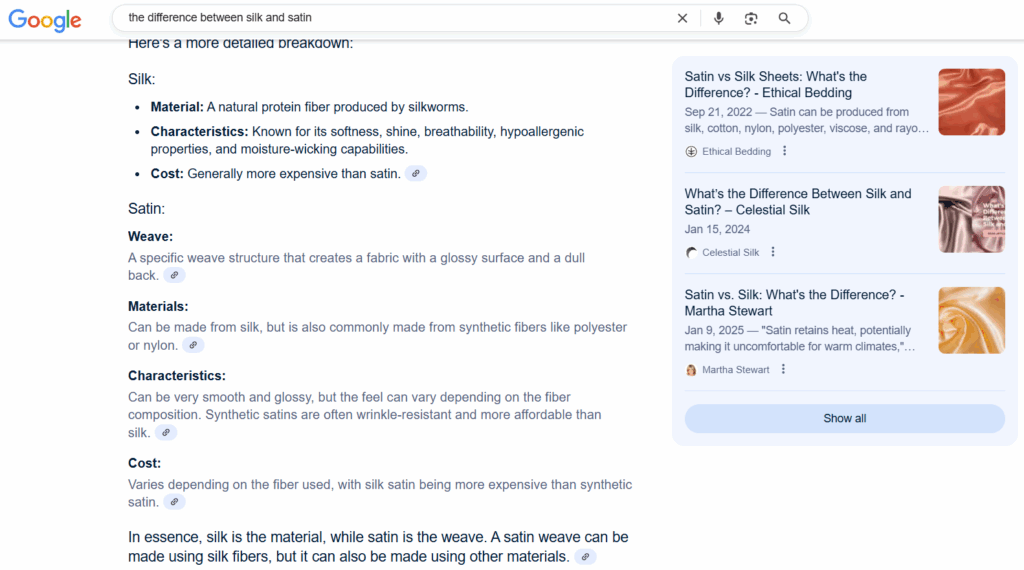
    Take a good, long look at this screenshot I took from my quick search about the difference between silk and satin.

    Sure, the first thing that came up was an AI overview. But observe the little symbols that appear next to every point. They’re links to the blog articles and web pages that the AI got its information from. And on the far right side of the screen? You can see three articles that were used to create the overview, and all of them come from the blogs and websites of lifestyle brands.

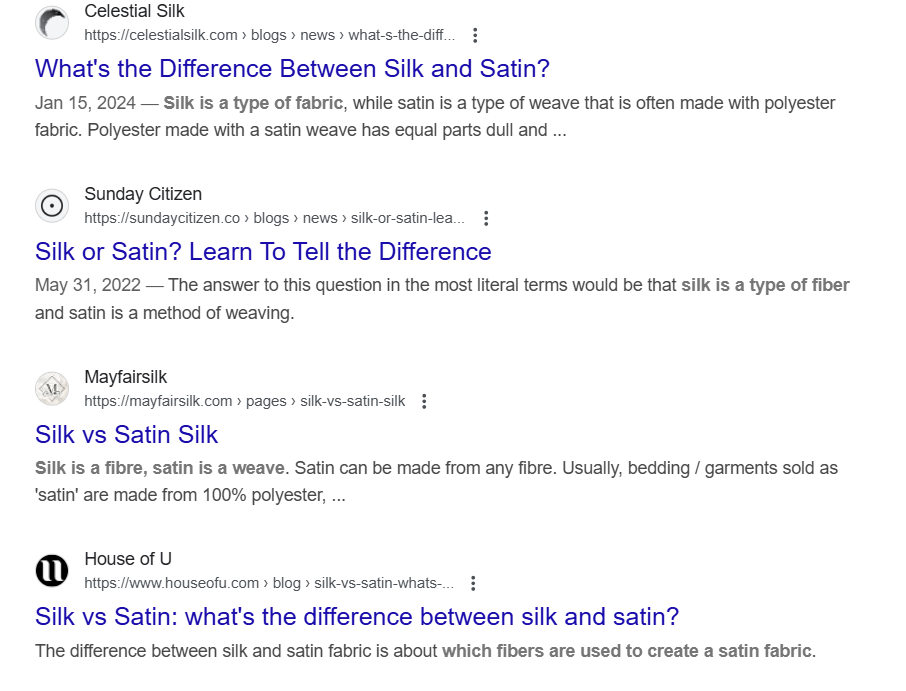
    So it’s not that AI overviews are making blogging redundant. AI overviews rely on blog articles to create these overviews. If your article ranks well, it’ll be right up there in the overview. Plus, some of the old principles of SEO still apply. If you scroll past the AI overview, you’ll still see the first page of the search engine and the highest ranking articles.

    With the exception of one, all of these top-ranking articles come from company blogs! Very telling stuff, isn’t it?

    Improves visibility

    Ever heard the saying “don’t put all your eggs in one basket”? Of course you have. Blogging is just another way to increase visibility and build brand awareness.

    The issue with social media is that your profile is never truly yours. Yes, you created all that content — but it technically belongs to the platform. If Instagram goes down or bans your page for some reason, then poof. All your hard work is gone. Emails are also great, but they can be deleted at any time.

    Having a solid website is so important, and blogging is just another way to make it richer and deeper.

    Creates a greater connection with your customers

    Social media and email marketing are great and have their own unique set of benefits, but they can be limiting in terms of space. Even the longest-form captions and emails don’t let you dive quite as deep into a topic as a blog post does.

    There’s also the headspace aspect. When people are on social media or checking their emails, they’re often in fast consumption mode. They probably want to quickly read and scroll onto the next thing, which is why short-form content reigns supreme on these platforms.

    But when you open a blog post? You’re more committed to reading, learning, and engaging. You’ve got yourself settled on the couch with a nice hot beverage at your side, and you’re ready to dive in. Ok, maybe that’s not always the case, but you’ve got to admit your headspace is different when you’re truly in reading mode.

    Blogs give you all the space you need to fully share your knowledge and educate your reader on the topic, therefore creating a deeper level of connection. Who knows, you just might end up writing the blog article that changes their perspective on an important topic — like learning the difference between silk and satin once and for all.

    Positions you as an expert in your industry

    A blog page filled with amazing resources for your audience is going to make you look good. I mean, why wouldn’t it?

    Let’s say you have a solid skincare brand, and a blog filled with articles and resources about sustainability, zero-waste living, and skincare tips. Your brand is going to look more legit than the competitor brand that doesn’t have any of that.

    Having a blog provides a lot of value to your audience, and it proves that you know your stuff. It’s like having a meal at a five star restaurant, where the server takes the time to explain the dish and the ingredients. You could have a delicious meal by itself, but the extra knowledge really proves the chef’s expertise.

    Streamlines content creation as a whole

    This might sound counterintuitive. After all, blogging is yet another form of marketing you’re adding to your already-full plate.

    But what if I told you blogging makes one of the best foundations for a general content strategy?

    Since blogs cover so many different aspects of a topic, you can use a single blog to create multiple emails and social media posts. It actually makes content creation easier, because you’re not reinventing the wheel every single time. Trust me, it really works. It’s a strategy I love using with my retainer clients.

    How to adapt your blogging strategy in the AI overview age

    Ok, so we know that while the internet has changed, some things remain the same. Blogging is still a great way to boost SEO and organic traffic, improve your brand’s overall visibility, build deeper connections with your audience, and position your brand as an authority/expert in your industry.

    But it’s a fact that AI overviews have changed the game. You can still get your blogs to rank, you just need to adapt them so they’re more appealing to the bots.

    While having high quality content is important, you might need to change the structure of your posts. Here are a few tweaks you can apply to your blog posts to make them more AI overview-friendly:

    Use your titles and headers strategically

    This has always been important, but now it’s extra important. You’ll want your titles and headers to really align with keywords and search terms, so save the prettier language for other forms of marketing and keep it very, very simple.

    Think about the words and phrases that your ideal customer would use. And if you’re not sure what that might look like, think about the words and phrases that you might use when you’re looking for something specific.

    For example: is it safe to wear gold jewelry in the pool?

    It doesn’t sound as nice as a title like “poolside jewels: gold pieces for your hot girl summer”, but it’s what people are actually searching for. You can use the fun titles for your email marketing and social media campaigns. Blogging these days is really about strategy.

    Make sure your content is clear, concise & conversational

    AI overviews are clear, concise, and (for the most part) conversational, which means your blog content should also be clear, concise, and conversational.

    It pulls phrases directly from blog posts, so you’ll want to write your sentences in a way that makes sense for an overview.

    And that’s where the conversational aspect comes in. You can and should stick to your brand voice, which might lean more elegant or playful, but try to write sentences that a person would actually say (or search) in real life.

    It’s not too dissimilar to older SEO blogging practices, but to familiarize yourself with this type of content you can spend some time looking at AI overviews and the kind of language they use, as well as the websites and blogs they tend to pull information from.

    So there you have it! Despite the changing technological landscape, most would agree that blogging is still very much worth it for fashion and lifestyle brands. If you’re still on the fence, you can learn a little bit more about the benefits of blogging here. And if you’re ready to start blogging? Stay focused and stay committed. I’m sure you’ll be pleasantly surprised at the outcome.


    Content writing & blog management services

    Want to give blogging a go, but not sure you’ve personally got the bandwidth? I just might be your girl.

    You can learn more about my content writing and blog management services for fashion and lifestyle brands here, or drop me a line if you’d like to personally chat about what I can do for you.


  • SEO opportunities you might be missing on your fashion or lifestyle brand’s website

    SEO opportunities you might be missing on your fashion or lifestyle brand’s website

    Does SEO feel more like a four letter word to you than a three letter abbreviation?

    Look, I get it. It can seem intimidating at first, especially if you’re more of a creative at heart. It’s probably why you work in fashion, beauty, interior design, or another lifestyle-oriented field. You want your brand’s website to look good and you want the copy to tell a story. The analytical side just isn’t as fun, and that may be why your website has some missed opportunities when it comes to SEO.

    The good news? It’s not as scary or hard as you think it might be, and I’m here to explain exactly why. Let’s go!

    Glossary: SEO copywriting terms to know

    Before I share the juicy details, let’s go over some terms that’ll make the rest of this blog easier to digest.

    • Keyword. This one is pretty straightforward. We know that a keyword is another way to describe a search term, especially one that you want your brand or product to be known for, like “waterproof gold vermeil jewelry” or “men’s black corduroy baseball cap”. But I think sometimes we overlook the full context of the keyword. To understand how to best apply keywords and how to adapt them to the copy style, you’ll need to consider the customer’s journey or intent.

      Those super straightforward, descriptive keywords I just used? They work perfectly for product pages and descriptions, because they’re the kind of terms someone would input into a search engine when they’re in shopping mode. But if someone is in research mode? That’s when you adapt. Take the root keyword and change it to a related phrase or sentence that someone would likely be searching for, like “can you wear waterproof gold vermeil jewelry in the ocean”, and use that in a FAQ or possibly an ‘about’ page, or turn it into a blog. Maybe I’m oversimplifying it, but that’s really what SEO comes down to: making sure you’re integrating words and phrases that real people would actually search.
    • Keyword stuffing. Ok, so you’ve got your keywords. Now you have to make sure you’re using them in a way that makes sense and feels organic. Keyword stuffing is the opposite of that. It’s using the keywords too much — for example, “this men’s black corduroy baseball cap is the perfect casual baseball cap to complement your everyday wardrobe. With its rich texture and timeless colour, this men’s black corduroy baseball cap easily matches any outfit. If you’re looking for your next favourite accessory, look no further than this men’s black corduroy baseball cap.” It just sounds spammy and bad.

      Of course, you’ll want your copy or blog content to feature your desired keyword(s) a few times so that search engines can easily find your website. But try to do it in a natural way without unnecessary repetitions.

    There are even more technical terms you could research, but for the purpose of this blog we’ll move on. With this information about keywords in mind, consider all the pages and places you can improve your website’s SEO.

    Home page

    If your home page is mostly visuals, you may want to add a bit of extra copy to subtly squeeze some keywords in.

    They don’t have to be super long — it’s understandable if you want your home page to be bold, punchy, and to the point. Consider adding in brief descriptions of every section to bulk up your keyword count and improve user experience. Of course it’s fine and helpful to have separate pages to go over sections more thoroughly, but you can’t assume that every visitor will click through to them.

    Having short paragraphs that explain each section of your home page is a win-win: you’ll be able to use the copy as both an SEO opportunity and a way to explain what your brand is all about on just one page. And if you’d rather lead with visuals? All good. You can keep the bolder graphics at the top of the page, and add in copy towards the bottom.

    About page

    Your ‘about’ page is allowed to be more text-heavy than others. After all, it’s likely where you’re doing the most explaining — sharing your story, vision, mission, materials, etc. Use it as an opportunity to slide in helpful keywords as necessary.

    Of course, there will be the general overview of your brand, like “[Brand name] is a zero-waste women’s swimwear brand.” But you can also use subsections and subheadings (as well as body copy) to insert a few extra keywords, like “swimwear made from recycled materials”, “size-inclusive swimwear”, or “full coverage women’s swimwear.”

    Again, the copy doesn’t have to be super lengthy, but you really have an opportunity to make it count on an ‘about’ page.

    Product pages

    You might want to let the visuals do the talking, but taking the extra time to add in a product description is worth it. Online shoppers are looking for products just like yours every single day (more like every single second), so beefing up your product pages with accurate descriptions is important.

    Product descriptions can be tricky because they’re so short, making keyword stuffing more obvious. You might only be able to get away with placing the right keyword in the description itself once (repeating ‘pear shaped sapphire ring’ more than once in just a few sentences probably won’t read very well), but you’ll have other opportunities within the product page.

    There’s the product title, of course. Then you can add in subsections like “details”, “styling tips”, “designer notes”, and “care tips”, depending on the nature of the product. This creates a more organic way to add in extra keywords while providing value to the customer.

    Collection/category descriptions

    Ok, so you’ve got your individual product descriptions. But what about descriptions of the collections and/or categories they’re a part of? Whether it’s a collection that’s unique to your brand (for example, the ‘Sicilian Summer’ collection) or general product categories like tops, dresses, jackets, and pants, these blurbs are another great way to sneak in more keywords.

    These descriptions are typically longer than an individual product description, but still concise. Those extra few sentences give you ample opportunity to add in products your brand is particularly well-known for (ex. ‘cashmere sweaters’ and ‘merino wool cardigans’ for a knitwear category description), as well as occasions you’d use them for (ex. everyday tote bags for work, spacious backpacks for travel).

    And if you don’t want these descriptions to be super obvious? Place them at the bottom of the category page (you can even add in a drop-down function to hide more of the text), where they’ll do the work while being mostly out of sight.

    FAQ

    Your FAQ doesn’t just have to answer shipping and delivery questions. Use it to answer product-related questions that allow you to organically add in keywords. Things like product care tips, fit questions, and even sustainability/manufacturing questions are all great ways to beef up your FAQ.

    Images

    Take a look at your media library. What do your image file names look like? A random mix of letters and numbers, or real sentences that integrate keywords?

    Images are an often overlooked but super easy way to add in keywords. Simply ensure your file names are strategically named with keywords. You can still use design names, just be sure to follow them up with an SEO-friendly description of what the product is. For example, “Riley halter neck floral midi dress.”

    Company blog

    And last but certainly not least, a company blog. Blogs are an excellent way to boost your SEO rankings, because they provide a constant stream of fresh content. Plus, you can really focus on a particular topic, allowing you to organically include the keyword several times over.

    There are only so many times you can refresh your website copy — and there’s only so much SEO website copy you can write without it feeling fluffy. A blog, on the other hand? You can add a new post every day if you want to!

    I’ve done deeper dives on the SEO benefits of blogging for fashion and lifestyle brands here and here, so I’ll let you explore those blogs if you want to learn more.

    Essentially, every page and section on your website is a little SEO opportunity. And the more places you can sprinkle in keywords, the better your chances of ranking will be. You don’t need to go over the top — in fact, you shouldn’t. But make sure your bases are covered, and enjoy the benefits of greater visibility.


    SEO copywriting for fashion & lifestyle brands

    Think your website could use a SEO boost?

    Whether you’re building your website from scratch or it needs a mid-season glow up, I can help. From full web pages to product descriptions and collection overviews, I can blend SEO strategies with an on-brand tone of voice so you get the best of both worlds.

    Learn more about my fashion & lifestyle copywriting services here, or drop me a line if you’d like to chat directly!

  • Editorial planning: how fashion brands can make their content more lifestyle-driven

    Editorial planning: how fashion brands can make their content more lifestyle-driven

    Not every lifestyle brand is a fashion brand, but every fashion brand can also be a lifestyle brand.

    Don’t worry if that sentence felt confusing. That’s what I’m here to break down.

    If you’ve ever studied even a little bit of marketing, you’ll know that customer profiles or avatars are super important. You can’t create effective messaging or position your brand correctly if you don’t know who you’re selling to!

    Brand owners will often have an idea of who their ideal customer is in their minds. Maybe it’s because they see them in person every day, or at least chat with them online on a regular basis. Maybe it’s because they’re modelling their ideal customer after themselves. Either way, the image exists somewhere.

    They know this person’s style, their interests, hobbies, values, struggles, and desires. They know what kind of city they live in, what kind of career they have, what kind of music they listen to, and how they spend their free time. The level of knowledge is deep, but it’s not always reflected in a brand’s content.

    And sometimes, that’s ok. It’s totally fine to stick with the basics and cover foundational topics if you’re just starting out with content marketing. But when you reach a point where you’ve got all that done and dusted, and your content is starting to feel stale or repetitive? It might be time to branch out with lifestyle content. I’ll be explaining exactly how to do that below.

    What is lifestyle content?

    But first, let’s give a more specific definition, because the term “lifestyle” can feel vague at times.

    This type of content goes beyond your general niche to cover relevant topics that relate to your ideal customer’s life as a whole.

    For example, you might have a jewelry brand. General niche content topics include things like material and craftsmanship technique overviews, styling tips, trend edits, gift guides, and care tips. It covers a wide range of information and material, but you could go even further by writing about the travel destinations or media pieces that inspired your designs, or activities or events you could wear the jewelry to.

    Essentially, it’s content that encompasses areas of an entire lifestyle rather than just one part of it.

    Why diversify your content

    You don’t need to diversify your content with lifestyle topics. It’s totally fine to stay in your lane, and you can achieve great results by just sticking to your niche.

    But sometimes it’s nice to switch things up on a personal level, and your audience might love it too.

    Here are some signs you might be ready to diversify …

    • You want to build deeper connections with your audience. Lifestyle content really taps into the “why” behind your brand. By reflecting elements of your customers’ real lives, you go above and beyond a mere shopping destination. Your brand becomes part of their daily inspiration. An activewear brand that sells amazing gear and offers solid workout advice? Now that’s adding value.
    • You want to expand your reach and visibility. From a purely logical point-of-view, expanding your niche means creating greater visibility for your brand. Let’s say you have a clothing brand. Before, you might have only been able to attract people specifically looking for fashion content. Which was probably the goal, however … if you started posting city guides/packing list guides that included your brand’s most travel-friendly pieces, you could also attract travel enthusiasts. It’s like having a pop-up café in a boutique. Some people might come for the coffee, but they’ll end up staying for the clothes.
    • You want to increase engagement and shareability. The more diverse your content is, the more likely it is to resonate with a wider audience. People will be more likely to share travel and wellness guides than product pushes. Lifestyle content tends to feel more relatable and useful, meaning more saves, shares, and time spent on your website.
    • You want to strengthen your brand identity. You know how I was mentioning the ideal customer avatar a little while ago? Releasing content that spans a lot of their interests creates a strong sense of connection and identity. They’ll know that you get them, because, well, you post about all the things they care about!

    How to plan lifestyle content

    Branching out of your core niche might feel intimidating, but I promise it’s easier than you think.

    I hate to sound like a broken record with the ideal customer avatar, but it relates to that. Coming up with lifestyle content basically just means building on that deep understanding of the kind of life a person lives and what interests them.

    For example, if you have a fashion brand catered to professional women, you could start including topics based on professional development, work-life balance, or anything else that might interest a busy working woman.

    If you have a clean beauty brand, you could write about other wellness-based topics like self-care practices, healthy eating and exercise tips, and sustainability initiatives.

    And if you have a vegan accessories brand? The whole vegan world is your oyster: recipes, vegan-friendly travel destinations, vegan product recommendations … you name it!

    Start by going back to that customer avatar and make a list of any and all topics that might interest them. Have a good brain dump session. And if you’re feeling stuck? You can always get ideas by …

    • Talking to that ideal customer. They might be friends, family members, or existing customers of your brand. Ask them what kind of articles they like to read or what types of headlines draw their attention when they’re scrolling through their news feeds. You can always head to social media and utilize polls to get quick and easy answers!
    • Browsing comment sections and DMs. This is another great way to get insight into what real people are interested in. If people bring up certain topics (like travel, food, or movies) a lot, you’ve got your ideas right there.
    • Using keyword research tools. Don’t worry, this doesn’t have to be intimidating. There are free and easy to use tools like Google Trends, Answer the Public, and even Pinterest that can give you insights as to what people in your niche are searching for. Pay attention to the angle of the questions to tap into the lifestyle element. For example, people might be searching for “easy everyday outfits for moms” or “fashion tips for date night”, meaning your customers would probably also be into motherhood or dating content.
    • Joining online communities. Not feeling technical? Online communities like Reddit and Facebook groups can give you plenty of insight without any overt analytics. Check out what people are posting about, what their struggles are, and what kind of content they share. You can also get related group suggestions that might be of help.
    • Researching competitor brands. It never hurts to get external inspiration! Remember, you might get topic ideas from others, but you can always put a unique spin on anything to make it your own.

    Finding balance between niche-specific & lifestyle content

    Ok, so now you can see how easy it is to expand your content and make it more lifestyle-driven.

    However, it’s only natural to want your content to have a strong theme. It should be clear what kind of brand you have (clothing, jewelry, skincare, interior décor, etc), so you might not want to go overboard with the lifestyle content if your brand isn’t a lifestyle one at its core.

    That’s where editorial planning comes in. Take a look at your content calendar and slide in the lifestyle content where it makes sense and doesn’t feel overpowering. You can come up with a numerical ratio like 80/20, or simply space it out by deciding to inject one lifestyle piece a month. It’s totally up to you to decide how much you want to lean into the lifestyle content.

    You may also want to look at seasonality and special events, like using New Year’s as an opportunity to talk about goals or resolutions.

    Whatever you choose, make a plan to keep your content feeling interesting and balanced. You can use content pillars to make sure you’re covering all the themes you want, for example styling tips, craftsmanship techniques, shopping guides, and lifestyle content.

    They say diversity is the spice of life, so why not enjoy a more diversified content range? It makes marketing more interesting and enjoyable for both you and your audience.


    Content writing for fashion & lifestyle brands

    Ready to diversify your brand’s content with lifestyle topics?

    Whether you’re launching a new blog or revamping your editorial calendar, I can help with both content writing and blog management.

    Learn more about my fashion & lifestyle content writing services here, or drop me a line if you’d like to chat directly!

  • Aspirational vs relatable fashion copywriting: how to find the right balance

    Aspirational vs relatable fashion copywriting: how to find the right balance

    As a fashion copywriter, I’ve long found that certain copywriting tips and best practices don’t fully apply to our industry. It’s one of the reasons I started this blog.

    Not sure what I mean?

    Most copywriting experts say the best copy is relatable. It really helps the reader imagine how the product or service being marketed would fit into their everyday lives, like Hinge being “the dating app designed to be deleted” or Oatly being for “vegans and non-vegans and for normally-not-vegan-but-sometimes-flexi-veggie-person-tarians”. Strategic words, phrases, and storytelling that the average person can truly relate to — bonus points for wit and humour.

    However, when it comes to fashion, jewelry, beauty, and even certain lifestyle products, things get a little complicated because there’s usually an aspirational element. How do you make your copy feel relatable when you’re also selling a dream?

    The big luxury fashion houses are the most guilty when it comes to aspirational copy. Brands like Hermès, Dior, and Gucci don’t want to be relatable. They want to be exclusive, promoting a jet set lifestyle filled with lavish parties, meals at Michelin starred restaurants with year long wait lists, and multimillion dollar residences. They’re not going to say their clothes and accessories work perfectly for casual coffee dates with your bestie, even if that’s exactly when you might be wearing them. It’s just not as sexy or interesting in the fashion world as a private yacht trip down the Amalfi Coast.

    And so a lot of smaller independent fashion brands follow suit with the luxury language. Especially if they’re also creating a high end product, like handcrafted solid gold/precious gemstone jewelry or handstitched leather handbags. If your designs are on par with the big names in terms of quality and craftsmanship, why wouldn’t you use them as inspiration?

    Here’s the thing. As beautiful as it reads, after a while that luxury language starts feeling repetitive. It’s all good and well to say your designs are exquisite and your brand is the pinnacle of everyday elegance, but if everyone else is saying the same thing, how will you stand out?

    This is the constant challenge I face as a fashion copywriter who wants to adhere to my clients’ visions of luxury and aspiration while making my writing feel different and interesting. And so I’ve decided to take a deep dive below, breaking down how to strike the perfect balance of aspirational and relatable in fashion copywriting.

    Why aspirational copywriting is important for fashion brands

    Don’t get me wrong, I’m still team aspirational fashion copywriting. Especially when it comes to higher end or luxury brands. You need to have that level of dreaminess and prestige to truly sell the luxury element of your brand, which is why you can’t go full casual/conversational (IMO).

    Fashion has always been about selling a dream or a specific lifestyle. It’s about the dress that makes your crush fall in love with you, the sunglasses that make you feel like a celebrity, the bag that makes you feel like your life is actually together, the boots that give you Nancy Sinatra levels of confidence … it’s only natural to want to hype up your fashion products and talk about how beautiful they are — and, in turn, how beautiful they’ll make the wearer feel.

    So yes, it is ok to use words and descriptors like radiant, dazzling, sophisticated, dreamy, refined, and/or sleek. I use them all the time for my clients. But it’s when you only use words like these that you might get in trouble. There’s building the dreamworld, then there’s turning it into a reality. That’s where relatability comes in.

    How to make fashion copywriting feel more relatable

    Ok, so you know how to make your brand and your products sound beautiful and luxurious through aspirational copy. Now you can use the relatability element to make it stand out. It’s a delicate balance, but when it works, it’ll be the key to making your copy stand out in a sea of luxury voices.

    Here are my favourite ways of making fashion copywriting more relatable:

    • Mention real life situations, occasions, and events. You know how I mentioned a coffee date with your bestie up above? Incorporate other elements of daily life like that into your copy. I especially love doing this for product descriptions and emails. Date nights with a romantic partner, errands, office days, brunches, beach strolls, nature walks … Saint Laurent and Chanel might not want to reference those ‘boring’ everyday occurrences, but they’re all things your customers can imagine because they’re a regular part of their lives. And you can still make them sound good when you’re blending them with aspirational copy. It’s essentially romanticizing the everyday, which the fashion crowd loves to do.
    • Use pop culture references. This is an excellent way to bridge the gap between aspirational and relatable. Maybe our lives can’t be as glamorous as Beyonce’s or Blair Waldorf’s, but we can always play pretend with a garment or accessory that channels their style.
    • Add a touch of humour. Fashion is meant to be about having fun, so don’t be afraid to use a bit of sass or humour! Brands like Reformation, Lush, Catbird, and Otherland offer perfect examples. And even some of the big guys are (kind of) doing it. Moschino has been known for its humour forever, and even Valentino and Louis Vuitton have been injecting more playfulness into their campaigns. Humour makes your copy feel more fun, and it’s also very memorable when done correctly.
    • Include conversational language. While it’s good to use some luxurious descriptors, you’ll also want to inject a bit of conversational language. I always like to imagine that friend that’s a little dangerous to go shopping with because they always get a bit too excited, if you know what I mean. Or, if you don’t have a friend like that, a really smooth sales associate. If you still don’t know what I mean, they’ll say things like “Isn’t this dress gorgeous? It would look so amazing on you. The colour works perfectly for your skin tone. And you could wear it for date night, or that concert you have coming up next month …” Essentially, you’re translating and refining those kinds of sentences until they sound like elegant fashion copy while still retaining the human feel.
    • Acknowledge common pain points. At the end of the day, your fashion product isn’t just there to look pretty — it’s there to solve a problem. Mentioning common fashion struggles like not knowing how to decipher a dress code, not being able to find a proper fit, or suffering because of an uncomfortable fabric will make the reader feel like you get them, because you’ve been in their shoes. This is an especially great practice for brands that create specialty products, like petite or plus-size brands, vegan brands, and occasion-specific brands.
    • Sprinkle in some styling tips. As fashion professionals, we often suffer from the curse of knowledge (assuming everyone else shares the same level of knowledge that we do). You might be able to think of 10 ways to style a pair of wide leg pants right off the bat, but the average person probably does not. There are so many people out there that might look at a garment and think it’s cute, but simultaneously feel that it won’t fit in with their wardrobe. However, if your copy includes a few different styling suggestions, they might realize that the garment might work for them after all since they now have a few different ideas of how to wear it.

    By keeping and incorporating these tips in mind, your fashion copy can feel elegant and luxurious while feeling relatable to the average person. Your brand will become appealing in every sense of the world — talk about a win-win situation!


    Copywriting for fashion & lifestyle brands

    Looking to find the perfect balance of aspirational and relatable within your fashion copy? I can help!

    Whether you’re launching a new collection or a new website, I have experience with website copy, product descriptions, email campaigns & other marketing materials.

    Learn more about my fashion & lifestyle copywriting services here, or drop me a line if you’d like to chat directly!

  • How often should you update your blog? Best practices for fashion & lifestyle brands

    How often should you update your blog? Best practices for fashion & lifestyle brands

    So, you’re thinking about starting a blog for your fashion or lifestyle brand, but you’re not sure how often you should be posting.

    Or maybe you’ve already published a few posts, but you need a little guidance when it comes to editorial planning. Whichever camp you fall into, you’re in the right place. I’ll be explaining the best practices for fashion and lifestyle brands so you can create a blogging schedule that truly works for you.

    Consistency is key

    One thing to remember about SEO blogging is that consistency is key. Search engines like fresh content, but they also like websites with a healthy archive of information.

    Think of it this way … if you’re on the hunt for a new hair salon, which one would look more credible to you: a salon that has a website filled with up-to-date testimonials and client images alongside a social media profile with regular posts, or one whose website and social pages haven’t been updated in 5 years?

    I’m guessing you’d choose the first option, because the second would likely make you question if the salon is even still in business.

    The same principle applies to blogging. A website that’s regularly maintained is going to look more credible in the eyes of, well, everyone. That’s why if you’re going to start a blog, it’s best to truly commit to it. An odd post here or there probably won’t get you the results you’re looking for, even if the initial results look promising.

    Find a schedule that works for you

    This could mean once a month or once a week. You’ll have to do some of your own trial and error to figure out what works best for you, as it truly will depend on your own capacity for blogging.

    You’ll need to figure out how much extra time you have on your plate to take on the task of blogging. Personally, I like to consider this on a monthly basis. Weekly can feel too tight, but quarterly can feel too stretched out. Figure out how many days or blocks you can set aside for blogging, and go from there.

    If your schedule is already feeling super busy, you can start off with a monthly blog. If you have more free time, you can increase that to bi-monthly or weekly blogs. If you can do even more while maintaining quality, go for it!

    Now, I know what you might be thinking … but how exactly can I figure out how much time I need for blogging? Here are a few things you can do:

    • Write a trial blog to figure out how long the process will take you — this should also include formatting, image sourcing, and other back-end steps that aren’t just writing. You can absolutely publish this blog so the time spent writing feels productive.
    • Take that block of time and apply it against your current schedule. Depending on the length of the blog and the amount of research that goes into it, this could take anywhere from a few hours to a full day.
    • If you’re going to outsource, consider your budget and exactly how much you want to outsource before you create a package with a content writer. You might choose to get blog content only — meaning the content writer will provide you with articles that you’ll be responsible for uploading. Or, if you have a higher budget and really want to free up more of your time, you can also outsource the formatting, uploading, and posting. Some content writers (such as myself) can handle these tasks for an additional fee, or you can ask a website developer to do it for you. Figure out your budget and your bandwidth, and go from there.

    Is there a specific amount of blog posts you should publish per month?

    Now for the million dollar question.

    I hate to sound vague, but there isn’t really a golden number for how many blog posts you should publish per month. You’ll see that the answers vary if you decide to read other articles about this topic. Some people may suggest as many as a few blog posts a week — it’s true that the more content you have, the faster your blog will be able to rank. However, having worked with dozens of clients in the fashion and lifestyle spheres, I know this isn’t always feasible when there are always so many other things going on.

    Personally, I recommend at least 1-2 posts a month to maintain consistency. It’s kind of like deep cleaning your house … tending to your blog at some point on a monthly basis will keep it in decent shape. Plus, if you’re choosing strategic content and keywords that don’t have too much competition, you should still be able to rank even with just a few posts a month.

    It’s what I’m doing, even as a content and copywriter that understands the benefits of regular posting. I’m also juggling client work, other projects, and having a healthy work-life balance. Maybe at some point I’ll be able to do more, but for now this is what works for me.

    Tips for maintaining a consistent blogging schedule

    Still feeling intimidated? Trust me, I understand. It took me literal years to get my own blog up and running on my website! There are always a million other things to do when you’re running a business, so adding a blog to your plate can feel overwhelming.

    However, there are some ways to make it easier …

    • Give yourself ideal posting dates. There’s a reason that deadlines exist in so many industries. Having a concrete date in mind will help you stay focused and consistent, as opposed to keeping the idea of blogging floating in the back of your mind. Maybe it’s the 1st and 15th of each month, or every Wednesday. Your deadlines will depend on your monthly blogging goal.
    • Combine your content. Instead of thinking of blogging as a completely new marketing task (overwhelming), consider it an add-on to what you’re already doing (easy). It’s what I do for my retainer clients and for myself, and it honestly makes multi-channel content creation much less stressful. All you have to do is think of an umbrella content theme, then apply it to all your forms of marketing. For example, let’s say you want to do a feature on a material your fashion brand uses, like silk. You’d write a blog post, an email, and social media posts about silk. I like to start with the blog post because it’s the longest form of content. From there, you can transform and adapt the content for each platform. Sometimes, you don’t even have to change the content — you can pull direct quotes from your blog! It’s such a relief when you realize that you don’t have to reinvent the wheel every time.
    • Don’t be afraid to repurpose content. On a similar note, you don’t always have to create fresh topics every month. If you have a well-established blog and you’re feeling a bit crunched for time, you can always give an older post a refresh.
    • Focus on quality over quantity. You might be surprised that I advocate for as little as one blog post a month, but it’s because a single high quality blog post will be more beneficial than five low quality ones. Writing a bunch of short form blogs that don’t contain much valuable information or SEO boosters probably won’t help you rank or get the results you’re looking for. If you’re going to do it, do it right. Even if it means doing less.
    • Give yourself grace. I’m actually publishing this post after somewhat of a sabbatical that I gave myself. I was doing really well with consistency since I started my own website blog in February. Then some personal things happened in May and I didn’t post at all because I was taking a break from work. Yes, consistency is important, but so is your mental health. You can always pick things back up when you’re ready.

    And that’s it! By focusing on consistency and quality while keeping your own bandwidth in mind, you should be able to uphold a regular blogging schedule while building up your SEO rankings. I promise, launching and maintaining a blog doesn’t have to be intimidating or overwhelming.


    Blog content for fashion & lifestyle brands

    Ready to have someone else handle your company blog, from editorial planning to writing and publishing? You’re in luck.

    Whether you’re launching a new blog or you want to free up more of your own time, you may be interested in my fashion & lifestyle blog content & management services.

    If you’re curious about collaborating, drop me a line to see what I can do for you!

  • Marketing muses: copywriting inspiration from Duolingo

    Marketing muses: copywriting inspiration from Duolingo

    The best copy is always authentic and unique to your brand, but that doesn’t mean you can’t look elsewhere for inspiration. In this series, I’ll be sharing inspiration and insights from major brands* that are killing it with their copywriting. First up is everyone’s favourite language learning app, Duolingo!

    *Although I’m a fashion and lifestyle copywriter, sometimes it’s nice to look outside of these industries to see what other brands are up to. You can find a lot of inspiration when you switch things up and step away from what you know!

    Brand spotlight: Duolingo

    Is it safe to say that we all have a bit of a love/hate relationship with Duolingo?

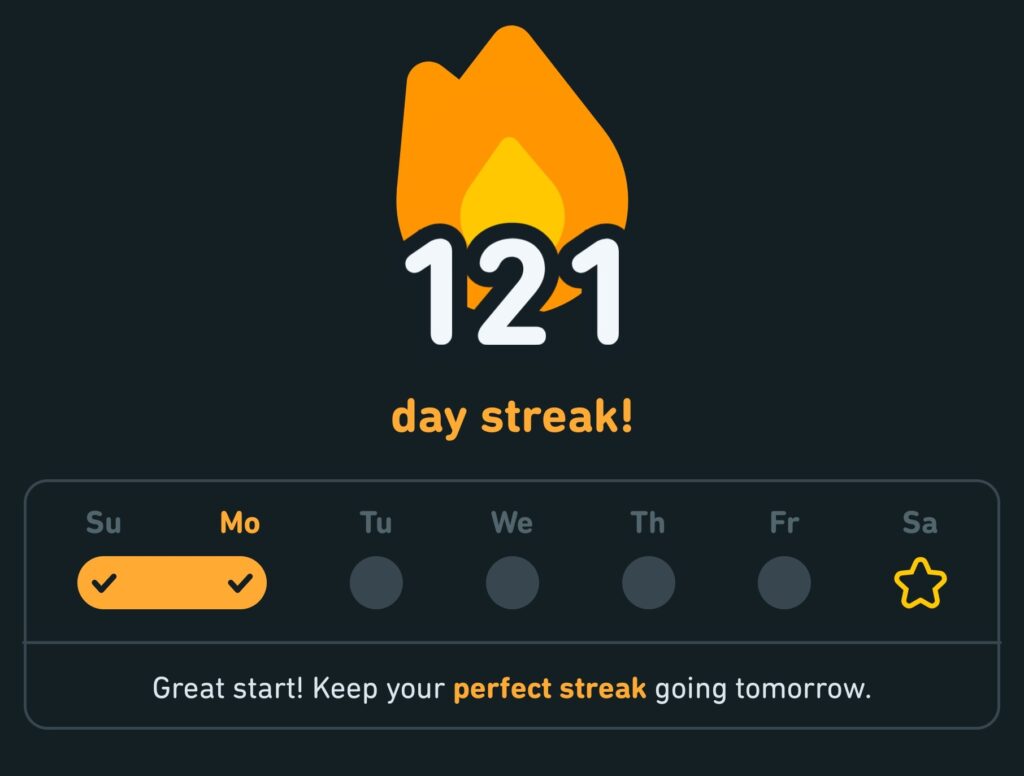
    I’ve been using it on and off for years, but I just hit a personal record breaking 47 day streak, which is partly what inspired me to create this post. That, and their marketing game has been fantastic lately.

    As a multilingual person and a former student, I have my qualms with some of Duolingo’s exercises. They can be repetitive to the point of being dull, and some of the phrases are downright nonsensical — I once went through a whole unit where I learned to talk about animals doing things that they are 1000% incapable of in real life. But hey, if I ever see a horse driving a car in a Spanish-speaking country, I’ll be able to describe it to onlookers.

    Anyway, curriculum aside, Duolingo’s marketing and copywriting techniques are on point. There’s a reason why it’s become the most popular language learning app, and a bit of a cultural phenomenon to boot. I’m sure we’ve all seen a Duolingo owl meme or two in recent years. Maybe you’ve even used it as a reference in your own everyday life?

    Either way, pretty much everyone knows about Duolingo. I’m sure it’s the go-to name for many of us when it comes to language learning. So, what exactly is it they’re doing right? Let’s break it down.

    Playing on human psychology & competitiveness

    We know one thing to be true with Duolingo: every user that has downloaded it came with the desire to learn a new language.

    However, if you’re someone that has started a new endeavour of any kind, you’ll know desire alone isn’t enough to maintain a commitment.

    I’ll admit, Duolingo wasn’t the best with this in the beginning. I’ve gone months without opening up the app in the past because I got disinterested with the content.

    But lately, they’ve been more clever with bringing people back. They’ve diversified their lessons by adding in exercises involving stories, mini podcasts, and interactive games. They’ve added in challenges, like bonus speed rounds — I’m not the most competitive person in the world, but even this challenge brought out my inner All Caps Abbi (IYKYK).

    Then there’s the almighty streak. I am feeling a great sense of accomplishment now that mine is at a record high. Duolingo has really honed in on the parts of human psychology that make us want to succeed lately, and as a result I’m more committed than I’ve ever been.

    If all of your content has been feeling too same-same lately, why not think of ways to diversify? Make it fun and interactive by doing a hunt-style product release campaign. Create quizzes that lead customers to their ideal designs. Share playlists. It’s not just about showing off your products. It’s about making people connect with them.

    Capturing attention in creative ways

    Remember when the Duolingo owl died at the beginning of the year? That was pretty great, at least from a marketing POV. Before you call me cruel or twisted, he didn’t actually die — he was being dramatic. Duolingo launched a campaign saying the owl was about to die from a lack of attention from all the users that haven’t been on the app for a while.

    It was funny and memorable, and it certainly created a buzz. Google has pages and pages worth of news and media sites covering it.

    On my own phone, I noticed the owl icon changing into funny graphics during my off periods. It looked a bit sick or weird, which definitely captured my attention. I wanted to know what was going on with the owl, and how I could get it back to normal. I realized that it was sick because of neglect (Tamagotchi/Neopets throwbacks, anyone?) and that the only way I could fix it was to restart my lessons. Now that I’m deep into my streak, Duo has once again transformed. Only this time, he looks like a razor-sharp spy on a mission. I look forward to seeing his next makeover!

    I realize this is more of a design tactic than a copywriting one, but the principle of creating something attention-grabbing remains. If I’d opened up my inbox to see a subject line like “Duo is on his deathbed, and only you can save him”, I’d pay attention.

    Using relatable examples

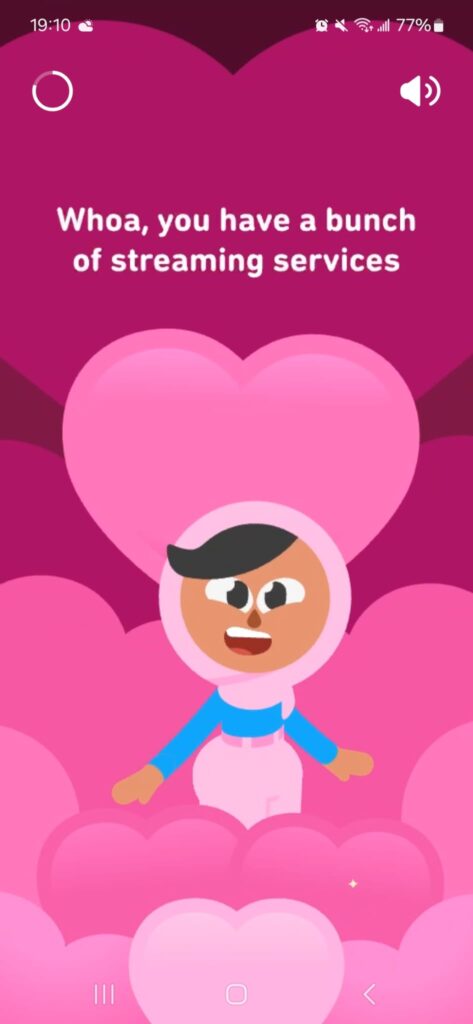
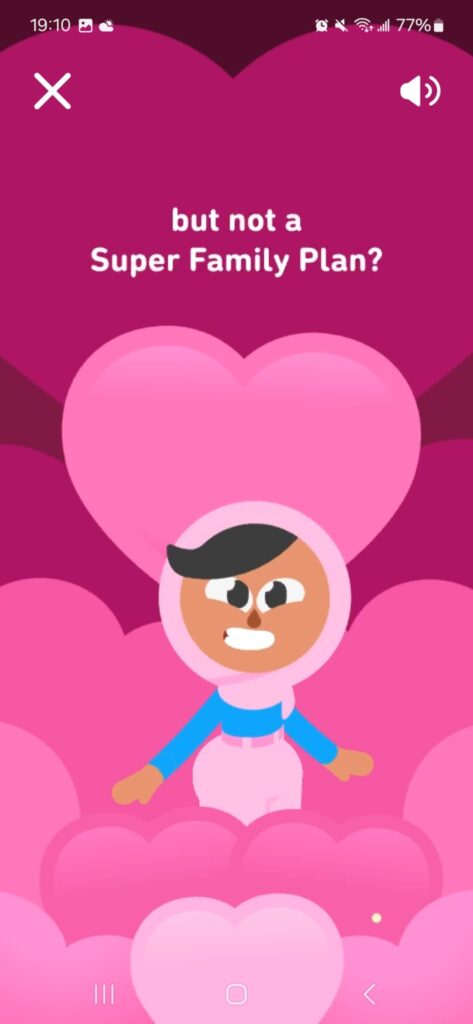
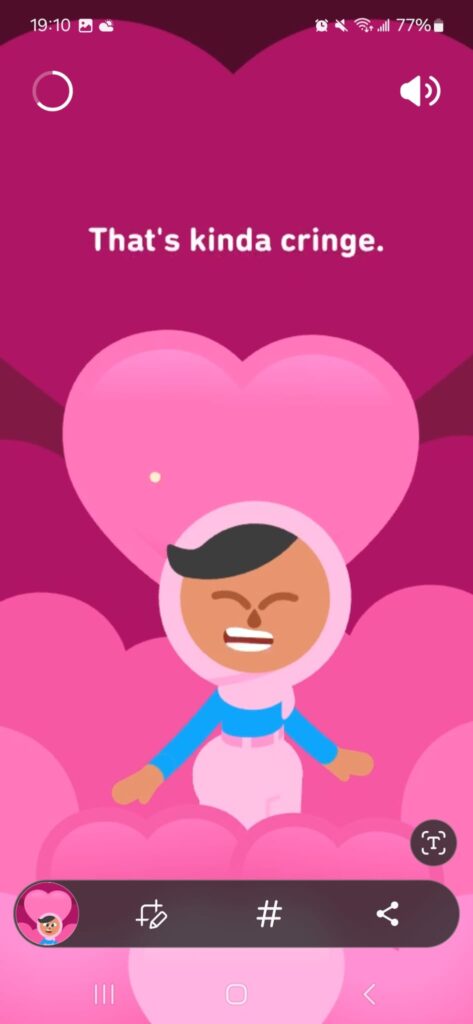
    Oof, when I saw this upsell ad, I knew I had to show my respect somehow! It’s much more relatable and effective than just saying “Our Super Family Plan is affordable” or “we offer the best price on our Super Family Plan”. Because it’s true that I maybe have one too many streaming services, so paying the equivalent price of one more or (probably the smarter solution) swapping one for a Duolingo premium plan wouldn’t break the bank. And it would be an investment that sharpens my brain — not sure I can say the same for a Netflix subscription.

    Showing real life comparisons that users can understand goes a long way. It can be a bit trickier in the more product-based fashion and lifestyle industries, but this tactic can be a great way to show off value in terms of longevity and quality. For example, “you can buy a gold-plated necklace that turns green in a few weeks, or you can invest in a solid gold one that’ll shine forever.”

    Having a playful brand voice

    Now, this certainly isn’t for everyone, but I think having this fun, playful brand voice works really well for Duolingo. Anything related to learning and academics can risk seeming boring, but Duolingo have avoided that with their cutesy, cartoon-like graphics, vibrant colour palette, and cheerful language.

    I believe that fashion and lifestyle brands can benefit a lot from a bit more fun. After all, these industries tend to be about creative expression and not taking life so seriously. You don’t need to go all out whimsical like Moschino — brands like Reformation, Duke & Dexter, Vitaly, and Mala candles are standing out with their subtle humour and casual tone.

    I see a lot of independent fashion and lifestyle brands think they have to have a luxury voice to sound good. You know, grand and poetic, à la Louis Vuitton or Hermès. I won’t lie, it sounds good, and I use versions of it a lot for my clients. But I find that the brands that sound more conversational and down to earth can end up being more memorable.

    Moral of the story: be clever, but have fun with your copywriting!

    Ok, I’ll acknowledge it again: it’s not just Duolingo’s copywriting that’s giving them success. It’s the branding, the design, the interface, and copywriting all coming together.

    But they’ve really been upping their marketing game by adding in humorous touches while playing on human psychology.

    Their copy is fun, relatable, and creative. Whether you’re a clothing, jewelry, or home décor brand, there’s a lot to learn from Duolingo!


    Copywriting for fashion & lifestyle brands

    Are you feeling like you need to up your copywriting game after comparing it to Duolingo?

    Whether you’re looking for a quick refresh or a full overhaul, I’ve got you. I can help you create memorable and engaging copy with my my fashion & lifestyle copywriting services, including website copy, email copy, and product descriptions.

    If you’re interested in working together, drop me a line to see what I can do for you!

  • Are long form blogs better for SEO? How to choose the right word count

    Are long form blogs better for SEO? How to choose the right word count

    If you’ve been thinking about starting a blog for your fashion or lifestyle brand, you’ve probably been wondering what the blog articles should look like. Or, more specifically, how long they should be.

    Maybe you’ve been chatting with a content writer and have felt lost when they brought up word count. Or maybe you’ve written a few posts already, but you’re not sure if you’re in the right ball park in terms of blog length — especially if you have SEO goals you want to hit.

    Worry not, because you’re in the right place. Below I’ll be discussing all things blog length, and whether short or long form blogs are better for SEO. You’ll soon have all the clarity you need to tackle your content calendar.

    How long should your blogs be?

    Sorry to be that person, but there’s no single correct answer to this question. It really depends on the individual blog and its topic. However, long form blogs generally tend to perform better (AKA rank higher) when it comes to SEO.

    Why, you may be wondering?

    Essentially, long form blogs tend to be perceived as more valuable. This is because they naturally contain more information than short form blogs. Let’s look at travel guide blogs as an example.

    Say you’re planning a trip to New York, and you want some help planning your itinerary. Which guide would you find more helpful: a short one that only recommends one coffee shop, one restaurant, and one park? Or a longer, more detailed one that gives several options for each category, as well as recommending scenic walking routes, shopping destinations, museums, and miscellaneous hidden gems?

    I’m guessing you’d choose the second one. The same principle applies to any kind of content — the more helpful information you can provide, the more valuable your blog will appear to a search engine, and the higher it should theoretically rank.

    Search engines prioritize content that really answers questions people are looking for, and most of the time* they tend to be long form blogs.

    What is a long form blog?

    Before I go on, you may be wondering exactly what I mean when I say “long form blog”. If it’s been a while since you’ve dealt with word counts, here’s a quick overview of what is considered short, medium, and long in the world of content writing.

    • A short form blog tends to be around the 500 or 600 word count, or possibly a bit less. Think of it as a short essay or article you’d read in a newspaper or magazine. It’s usually a good length for a quick overview of a topic.
    • A medium form blog ranges from 700 – 1200 words. It’s obviously meatier than a short form blog, and I find it’s a good length to provide comprehensive value for many topics in the fashion and lifestyle industries.
    • A long form blog is anything above 1200 words, but generally reaches a cap around the 2000 or 2500 word mark. IMO, anything longer is delving into e-book territory. Of course, you can pack a lot of information into these kinds of blogs, but only choose this length if you’re sure it’s a topic that can be written about in such an extensive manner.

    The benefits of long form blogs

    To recap, here’s why you may want to opt for a medium or long form blog over a short form one:

    • They tend to rank higher in search engines
    • You can provide readers with more value by adding in helpful information & answering their most pressing questions
    • You can show off your expertise, therefore building greater credibility & authority in your industry (bonus points if your blog gets shared and linked because it’s just that valuable)
    • If the reader is truly engaged, they’ll end up spending more time on your website (reducing that dreaded bounce rate)
    • You can use it as a foundation for other content — you can make social media posts and emails based off sections of the blog, streamlining your content creation process as a whole

    So even though a long form blog might seem intimidating, the pay off can be well worth it!

    Do people still read long form blogs?

    Now, I know what you might be thinking at this point.

    “But Maria, it’s 2025 and the human attention span is shorter than a goldfish’s. Is anyone even going to read my long form blog?”

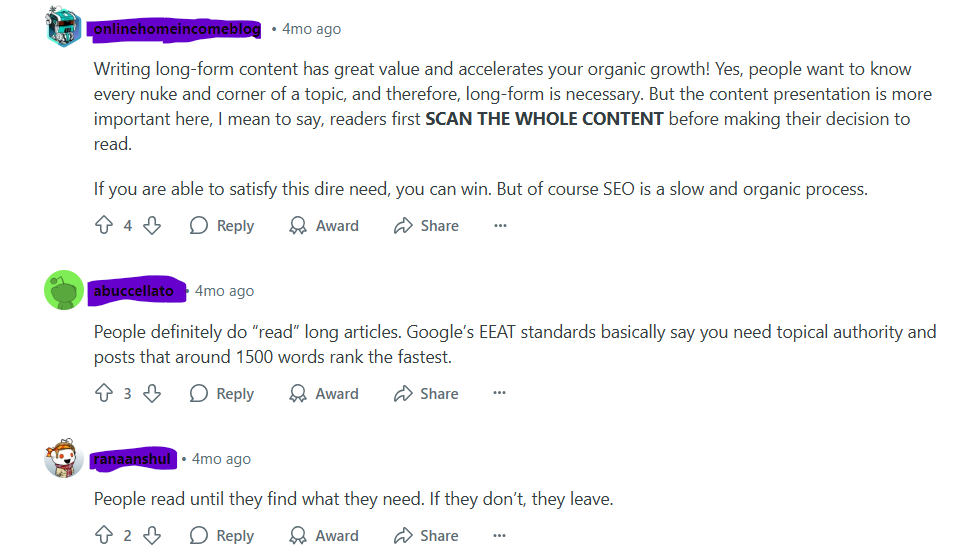
    It’s a fair point. A lot of people may prefer getting their information from punchy 15 second reels. But there’s still an audience for long form content — data from blogging platform Medium showed that their best performing articles tended to be around 1600 words long.

    Avid readers still exist. And if someone is looking for information on a certain topic, they won’t mind taking an extra few minutes out of their day to read an article that will help them. I do it all the time. Ok, so I’m a bit biased as a content writer, but I swear I’m not alone:

    You can always count on Reddit to keep it real. People might skim, but they’ll still read about a topic that they’re interested in.

    With that said, this is why formatting is so important. You’ll want to make sure your blog reads well (AKA is easily skimmable), so that people will want to hang out and read all of your words. If you’re not sure what that looks like, I have a post about it here.

    How to write a long form blog that’s packed with value

    Hopefully by now you understand why long form blogs are beneficial. But as I mentioned above, you don’t want long form content that resembles a fluff-filled high school essay. Here are some tips on organically adding information so your blog becomes *the* blog.

    • Remember that you have the ‘curse of knowledge. Haven’t heard of this phenomenon? It’s defined as “the cognitive bias” where one assumes everyone has the same level of knowledge that they do about a given topic. For example, someone that works in fashion will probably forget that the average person doesn’t know that much about different textiles or styling tricks. It happens to me all the time. Like, what do you mean you don’t know that cashmere comes from the underbelly of a Himalayan Kashmir goat? Or that you don’t know about the sandwich styling trick? Once you remember that a lot of people don’t know what you know, writing about specific topics in depth becomes a lot easier.
    • Go back to the basics and cover all the bases. With that said, your blogs can literally be a crash course in the given topic. So I’ll use the cashmere example again. It’s something that I know a lot about as a fashion copywriter that has worked with cashmere brands, but the average person on the street might not have any clue what it actually is, what animal it’s derived from, what part of the world it comes from, what cultural connotations it has, how to care for it, when to wear it, why it’s considered a luxury fabric, etc etc. Forget the curse of knowledge and remember that all of this information that seems basic to you, is actually new to a lot of people!
    • Try to answer as many questions as possible. Not only is this good for SEO (remember, your goal is to attract the people that are looking for answers to specific questions), it’ll naturally bump up your word count and make your blog extra juicy and valuable. If you’re not sure what questions people are asking, think of related questions you’ve heard IRL or from your customers and questions you’ve seen on discussion-based social media platforms like X, Threads, or Reddit. Another great tool is Answer The Public: simply type your blog topic into the search bar, and it’ll formulate a list of related questions that you can include in your blog. Or, just stay on Google and pay attention to the “People also ask” section.
    • Find ways to provide extra value. Giving answers to often-asked questions is a great start, but you can also go above and beyond by adding in other helpful sections. For example, I recently started working on a series of garment style guides for a client. We start by choosing a specific garment, like a trench coat. The guides cover the definition of the garment, give a historical and cultural overview, provide examples of style icons and celebrities that love the garment, share shopping tips and signs of quality, and give styling tips and outfit ideas based on the wearer’s body type. It combines a lot of elements that are often separated, so you can look at similar types of content to see what they’re missing and use that as a way to improve and bulk up your own articles.

    When to choose a short form blog

    Ok, I’ve given long form blog content a lot of praise so far. But sometimes it’s best to keep things short and sweet.

    Choosing the right content length/word count is really dependent on the topic, so don’t feel bad about opting for a short form piece if that’s what feels right for you. I’ve still seen plenty of blogs under 1000 words rank pretty high on search engines!

    Here’s when to ditch the long form content:

    • You genuinely have no more information to share. Some topics are less complex than others. It’s just the way it is. If your content reads better and feels more engaging in a short form, leave it as is instead of adding in fluff and filler words to hit a certain word count.
    • The keyword/topic doesn’t have a lot of competition. If you’re writing about something very niche, you might be able to get away with short form content because you don’t have a lot of competition. Maybe you’re sharing a time-sensitive announcement that’s specific to your area, like a blog about a pop up event in your city’s main shopping area. If all you have to write is a few hundred words about how the event will work, when it takes place, and the inspiration behind your pop up collection, it’s all good.
    • When you’ve already done the work with other long form blogs. Listen, long form blogs take time! It’s totally fine if you can’t commit to 1500 word blogs every time. You can definitely alternate with shorter blogs, especially if you’ve already released a few foundational long form blogs that are performing well. I’m a big advocate of doing what works best for you.

    So there you have it! The beauty of blog content writing is that while there are best practices, ultimately there are no set rules about what you need to do. Try your best to write comprehensive blogs that really cover the bases of the topics you choose, as they’ll provide more value to readers and look better to search engines. But remember that there’s not a magic word count you have to hit every single time. You may be able to write a wonderfully thorough article in 800 words or 1800 words. It just depends on the topic.


    Blog content for fashion & lifestyle brands

    If the mere thought of writing any piece over 1000 words stresses you out but you still want to reap the benefits of long form blog content, you’re in luck.

    Whether you’re just launching a new blog or you think your existing content can go deeper, I’m happy to offer my fashion & lifestyle blog content & management services.

    If you’re interested in working together, drop me a line to see what I can do for you!

  • Spring cleaning ideas for your fashion or lifestyle brand: copy & content edition

    Spring cleaning ideas for your fashion or lifestyle brand: copy & content edition

    My second favourite season is here! If you know me, you’ll know that I’m a spring/summer girl through and through. I absolutely love the relaxed vibe, heat, beach days, and fresh fruits of the summer, and spring is the most beautiful precursor to that special time of year. The warmer temps, longer days, and all the stunning blossoms are so, so needed after a long, cold winter!

    Spring is called the season of rebirth and renewal for good reason. It comes with a sense of optimism that feels infectious. Maybe you weren’t feeling motivated enough to really follow through on your New Year’s goals and resolutions in the January and February gloom, but now that spring is here, you might be feeling more energized.

    And so comes the tradition of spring cleaning — something that isn’t only limited to your home.

    Now is a great opportunity to review your fashion or lifestyle brand’s copy and content to make sure you’re really feeling it. This might mean getting rid of copy and content that don’t resonate anymore, sprucing anything up, or adding in new sections that came to you during a spring ‘aha’ moment.

    If you’re not sure where to start, I’ve created a handy guideline for updating your fashion or lifestyle brand’s copy and content below!

    Website copy refresh

    You’re not alone if you’ve felt the urge to give your website a spring refresh.

    Now is the time to go through your website and check if there is any copy that feels outdated, stale, or simply off. Be sure to look in the nooks and crannies of your website — micro copy on footers and side bars, and pages that may not be the most central. You’d be surprised at what you might find!

    See what you can remove, update, or add. You’ll know what feels right, and what feels wrong. The refreshed version should feel relevant, exciting, and unapologetically you.

    Update automated emails

    You may be consistent with your newsletters and promo emails, but when was the last time you updated your automated flows and sequences?

    I’m talking welcome emails, abandoned cart emails, post-purchase and order confirmation emails, birthday/special promo emails, re-engagement/win back emails … anything that’s set up to send without you having to think about it.

    Make sure you’re still feeling them, update accordingly (maybe you’re missing a beneficial type of automated email?), and then you can go back to not thinking about them for a while.

    Email list clean up

    On a related note, it’s a good idea to go through your actual email list and remove inactive subscribers. Why, you may be wondering? Isn’t a big email list a good thing?

    This is yet another case of quality vs quantity. It’s like an Instagram account with a high follower count but low engagement: it’s not just about the numbers, but the amount of people that are actually picking up what you’re putting down.

    A large quantity of inactive subscribers reduces your open rates, which negatively impacts the overall deliverability score of your emails. Translation = the email service provider will think that your emails aren’t as valuable because a lot of people don’t bother opening them, and will likely send them off to the promotions tab (where they will be less likely to be seen, let alone opened) or even worse: the spam folder.

    Getting rid of those inactive subscribers is like giving your hair a much-needed trim. It eliminates the dead ends causing issues, so your fresh new locks can shine. When your email list is smaller but filled with active subscribers (the ones who actually enjoy reading your emails and regularly open them), your open rates will inevitably go up and your emails are more likely to be seen. This leads to higher conversion and sales, and all the other good things that you want!

    Review & update blog content

    One great thing about blog content? You don’t always have to reinvent the wheel. If you want to take a break from editorial planning, try spring cleaning instead!

    Go through your existing blog posts and see if anything needs to be revised, updated, or cleaned up. This can mean adding in newer, more relevant information, removing broken links and adding in new ones, or reformatting for better SEO and readability. On a related note, the updates can also be SEO-based by adding in or revising keywords, or editing anything on the back-end (meta descriptions, alt tags, SEO plug-ins, etc).

    You might be surprised at how well a blog that’s simply been updated may begin to (re)perform!

    Website copy & content for fashion & lifestyle brands

    If you’re the kind of person that likes to outsource their spring cleaning (at home or in business), I just may be of help.

    Whether you want to overhaul your website, automated emails, blog content, or anything else, I’m happy to offer my fashion & lifestyle content & copywriting services.

    If you’re interested in working together, drop me a line to see what I can do for you!

  • Website copy 101: pages to add to your fashion or lifestyle brand’s website

    Website copy 101: pages to add to your fashion or lifestyle brand’s website

    They say your website is like your digital business card. A total reflection of your brand and ethos. And if you have a fashion or lifestyle brand, your website will also serve as your online storefront. Either way, it’s kind of a big deal.

    Potential customers will be heading to your website for a few reasons. To browse (and hopefully shop) your selection of products, of course … but also to learn about your brand. Especially if they’re serious about hitting that ‘add to cart’ button.

    While visuals and the overall aesthetic of your website are important, it’s the copy that’s going to instill the trust needed to actually get customers to convert. I mean, sure, repeat customers might be fine with basing their decisions purely on images and vibes, but anyone that’s not as familiar with your brand will want details. And lots of them.

    We all know that online shopping is a bit of a gamble, so it’s up to your website to reassure customers that your products are worth the risk. Whether your brand will have a primarily digital platform, you’re building an ecommerce shop to complement your physical storefront, or you feel like your existing fashion or lifestyle ecommerce website needs a little refresh, here are the pages you should definitely include on your website.

    Home page

    Well, this is kind of a non-negotiable. Every website needs at least one page, so it’ll be the home page.

    Your home page is the introduction page to your brand, so make sure it covers all the bases by explaining what your brand is about and what you do. You can also use it to highlight featured products and collections, but make sure you don’t skip out on step one. No matter how pretty your home page may look, it needs have depth to it as well so readers know exactly where they are and what they can expect from your brand.

    Your home page copy doesn’t have to be long, so think of it as the elevator pitch version of everything you’re trying to explain about your fashion or lifestyle business.

    About page

    Ah, the dreaded about page.

    Many business owners may feel nervous about this page, especially if they’re more introverted and don’t like talking about themselves. Besides, do you really need one if your home page explains what makes your brand special?

    Well, you don’t technically need one … but consider this:

    [Stats from Business Dasher]

    All in all, it makes your website seem more legit and trustworthy. And if you’re nervous about it? Remember that your about page doesn’t actually have to be about you as a person or a business owner.

    It should tell the story and mission of your brand while focusing on your customers. Or rather, what your brand can do for your customers. You can maintain a certain level of anonymity if that’s what you prefer – just be sure to keep your brand’s ethos and vision front and centre. So don’t think of it as an ‘about you’ page; think of it as an ‘about what we can do for you’ page.

    Materials/Ingredients

    A materials page is a huge bonus if you’re a fashion or jewelry brand. If you’re a beauty, skincare, or aromatherapy brand, call it an ingredients page.

    Your customers will want to know what your products are made out of for a variety of reasons. Maybe they have certain lifestyle preferences or sensitivities/allergies, or maybe they’re just curious. Either way, having a materials or ingredients page makes your brand appear more transparent and trustworthy.

    This is super important if you make any specific claims, like saying you’re a luxury or eco-friendly brand. You’ll always want to be able to back up those claims, otherwise you risk losing credibility.

    Even if you mention your materials or ingredients in other parts of your website copy, it’s nice to have a dedicated page so your customers can quickly find what they’re looking for. With that said, it doesn’t need to form part of your main menu. It can be a sub-page on your about page, for example, appearing on a drop down menu.

    Sustainability

    This isn’t a necessity if you’re not claiming to be a sustainable brand. But if you are, you’ll definitely want a dedicated sustainability page.

    It’s the same principle as having a materials/ingredients page. You’ll want a space where you can outline the exact ways you’re upholding your commitment to sustainability, unless you want to risk looking like a greenwasher.

    Use it to explain all the ways your brand is making a difference, from working with specific materials to production practices and charities you may partner with. Transparency is crucial when it comes to sustainability, so don’t hold back on sharing what you’re doing.

    Again, this can be part of an about section drop-down menu rather than an individual tab on a main menu, but you’ll definitely want it to be visible.

    Unique offers

    Does your brand provide any special services or offers? Maybe you’re a clothing brand that offers personal styling sessions, or a jewelry brand that offers customization services.

    Whatever unique offers your brand may provide, highlight them with a separate page. It’ll help your brand stand out, and it will be easier to find for those that are looking for specialized services.

    FAQ

    Is it worth having a FAQ if you have a bunch of pages that give an in-depth explanation of what your brand does?

    Yes. Yes it is.

    It’s good to have both comprehensive and scannable versions of necessary information to cater to both types of customers. And to satisfy the SEO gods, but that’s another story.

    But essentially, in today’s world attention spans are short, so some people will definitely be looking for quick and easy answers. A FAQ will help with that. It can also help to defer unnecessary customer inquiries, so that’s also a plus.

    Blog

    Well, I’m a bit biased here, but having a company blog is a great way to boost SEO and draw in organic traffic. It can also be a resource hub for your customers so they can receive ongoing value from you.

    I have a more detailed explanation for why having a blog for your fashion or lifestyle business is beneficial here, so I’ll keep this section brief. But let’s just say there’s a reason so many businesses still rely on blogging in their overall marketing strategy.

    Website copy for fashion & lifestyle brands

    Need help creating or updating the website copy for your fashion or lifestyle brand? Whether you’re starting from scratch or doing a refresh, I’m here to help with my website copywriting services.

    If you’re interested in working together, drop me a line to see what I can do for you!