As a fashion copywriter, I’ve long found that certain copywriting tips and best practices don’t fully apply to our industry. It’s one of the reasons I started this blog.
Not sure what I mean?
Most copywriting experts say the best copy is relatable. It really helps the reader imagine how the product or service being marketed would fit into their everyday lives, like Hinge being “the dating app designed to be deleted” or Oatly being for “vegans and non-vegans and for normally-not-vegan-but-sometimes-flexi-veggie-person-tarians”. Strategic words, phrases, and storytelling that the average person can truly relate to — bonus points for wit and humour.
However, when it comes to fashion, jewelry, beauty, and even certain lifestyle products, things get a little complicated because there’s usually an aspirational element. How do you make your copy feel relatable when you’re also selling a dream?
The big luxury fashion houses are the most guilty when it comes to aspirational copy. Brands like Hermès, Dior, and Gucci don’t want to be relatable. They want to be exclusive, promoting a jet set lifestyle filled with lavish parties, meals at Michelin starred restaurants with year long wait lists, and multimillion dollar residences. They’re not going to say their clothes and accessories work perfectly for casual coffee dates with your bestie, even if that’s exactly when you might be wearing them. It’s just not as sexy or interesting in the fashion world as a private yacht trip down the Amalfi Coast.
And so a lot of smaller independent fashion brands follow suit with the luxury language. Especially if they’re also creating a high end product, like handcrafted solid gold/precious gemstone jewelry or handstitched leather handbags. If your designs are on par with the big names in terms of quality and craftsmanship, why wouldn’t you use them as inspiration?
Here’s the thing. As beautiful as it reads, after a while that luxury language starts feeling repetitive. It’s all good and well to say your designs are exquisite and your brand is the pinnacle of everyday elegance, but if everyone else is saying the same thing, how will you stand out?
This is the constant challenge I face as a fashion copywriter who wants to adhere to my clients’ visions of luxury and aspiration while making my writing feel different and interesting. And so I’ve decided to take a deep dive below, breaking down how to strike the perfect balance of aspirational and relatable in fashion copywriting.
Why aspirational copywriting is important for fashion brands
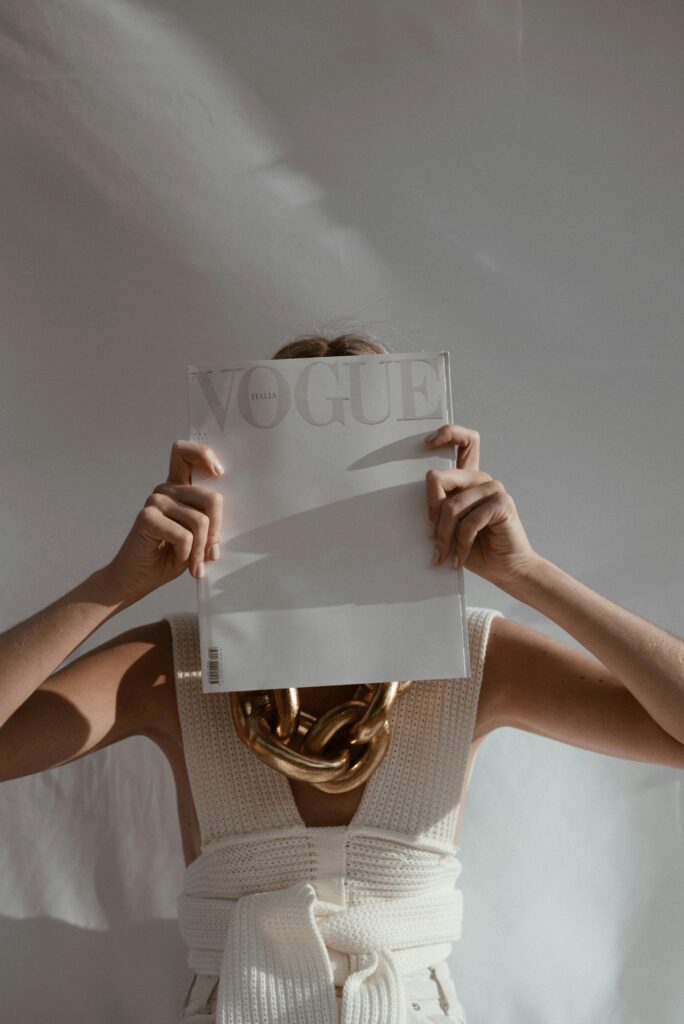
Don’t get me wrong, I’m still team aspirational fashion copywriting. Especially when it comes to higher end or luxury brands. You need to have that level of dreaminess and prestige to truly sell the luxury element of your brand, which is why you can’t go full casual/conversational (IMO).
Fashion has always been about selling a dream or a specific lifestyle. It’s about the dress that makes your crush fall in love with you, the sunglasses that make you feel like a celebrity, the bag that makes you feel like your life is actually together, the boots that give you Nancy Sinatra levels of confidence … it’s only natural to want to hype up your fashion products and talk about how beautiful they are — and, in turn, how beautiful they’ll make the wearer feel.
So yes, it is ok to use words and descriptors like radiant, dazzling, sophisticated, dreamy, refined, and/or sleek. I use them all the time for my clients. But it’s when you only use words like these that you might get in trouble. There’s building the dreamworld, then there’s turning it into a reality. That’s where relatability comes in.

How to make fashion copywriting feel more relatable
Ok, so you know how to make your brand and your products sound beautiful and luxurious through aspirational copy. Now you can use the relatability element to make it stand out. It’s a delicate balance, but when it works, it’ll be the key to making your copy stand out in a sea of luxury voices.
Here are my favourite ways of making fashion copywriting more relatable:
- Mention real life situations, occasions, and events. You know how I mentioned a coffee date with your bestie up above? Incorporate other elements of daily life like that into your copy. I especially love doing this for product descriptions and emails. Date nights with a romantic partner, errands, office days, brunches, beach strolls, nature walks … Saint Laurent and Chanel might not want to reference those ‘boring’ everyday occurrences, but they’re all things your customers can imagine because they’re a regular part of their lives. And you can still make them sound good when you’re blending them with aspirational copy. It’s essentially romanticizing the everyday, which the fashion crowd loves to do.
- Use pop culture references. This is an excellent way to bridge the gap between aspirational and relatable. Maybe our lives can’t be as glamorous as Beyonce’s or Blair Waldorf’s, but we can always play pretend with a garment or accessory that channels their style.
- Add a touch of humour. Fashion is meant to be about having fun, so don’t be afraid to use a bit of sass or humour! Brands like Reformation, Lush, Catbird, and Otherland offer perfect examples. And even some of the big guys are (kind of) doing it. Moschino has been known for its humour forever, and even Valentino and Louis Vuitton have been injecting more playfulness into their campaigns. Humour makes your copy feel more fun, and it’s also very memorable when done correctly.
- Include conversational language. While it’s good to use some luxurious descriptors, you’ll also want to inject a bit of conversational language. I always like to imagine that friend that’s a little dangerous to go shopping with because they always get a bit too excited, if you know what I mean. Or, if you don’t have a friend like that, a really smooth sales associate. If you still don’t know what I mean, they’ll say things like “Isn’t this dress gorgeous? It would look so amazing on you. The colour works perfectly for your skin tone. And you could wear it for date night, or that concert you have coming up next month …” Essentially, you’re translating and refining those kinds of sentences until they sound like elegant fashion copy while still retaining the human feel.
- Acknowledge common pain points. At the end of the day, your fashion product isn’t just there to look pretty — it’s there to solve a problem. Mentioning common fashion struggles like not knowing how to decipher a dress code, not being able to find a proper fit, or suffering because of an uncomfortable fabric will make the reader feel like you get them, because you’ve been in their shoes. This is an especially great practice for brands that create specialty products, like petite or plus-size brands, vegan brands, and occasion-specific brands.
- Sprinkle in some styling tips. As fashion professionals, we often suffer from the curse of knowledge (assuming everyone else shares the same level of knowledge that we do). You might be able to think of 10 ways to style a pair of wide leg pants right off the bat, but the average person probably does not. There are so many people out there that might look at a garment and think it’s cute, but simultaneously feel that it won’t fit in with their wardrobe. However, if your copy includes a few different styling suggestions, they might realize that the garment might work for them after all since they now have a few different ideas of how to wear it.
By keeping and incorporating these tips in mind, your fashion copy can feel elegant and luxurious while feeling relatable to the average person. Your brand will become appealing in every sense of the world — talk about a win-win situation!
Copywriting for fashion & lifestyle brands
Looking to find the perfect balance of aspirational and relatable within your fashion copy? I can help!
Whether you’re launching a new collection or a new website, I have experience with website copy, product descriptions, email campaigns & other marketing materials.
Learn more about my fashion & lifestyle copywriting services here, or drop me a line if you’d like to chat directly!